
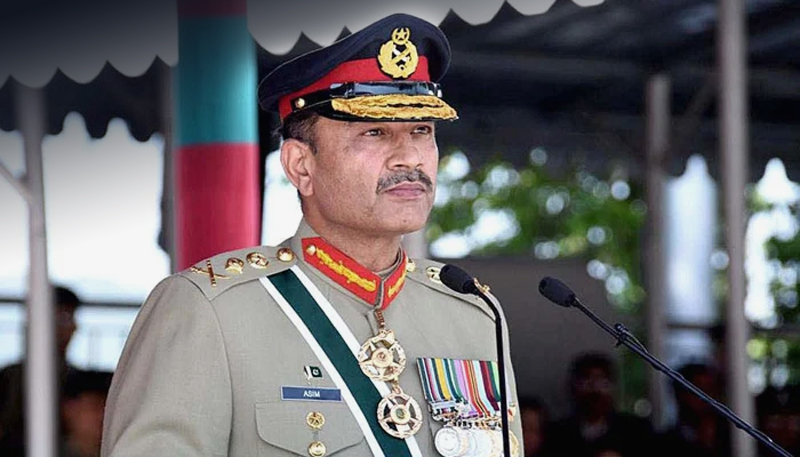
Islamabad, Pakistan — Pakistan is pushing a new proposal aimed at bringing the United States and Iran to the table, even as fighting between the two continues to ripple across the region.
A source familiar with the discussions said both Washington and Tehran have received the plan, which outlines an immediate ceasefire followed by a short window for broader negotiations.
The proposal is being referred to as the ‘Islamabad Accord’, although officials have not used the name publicly.
According to the same source, Pakistan’s army chief, Asim Munir, remained in contact through the night with senior officials on both sides. Those contacts included JD Vance, U.S. envoy Steve Witkoff, and Iran’s foreign minister Abbas Araghchi.
The plan itself is relatively simple on paper.
It begins with an immediate ceasefire. If agreed, it could be implemented quickly, with the Strait of Hormuz expected to reopen soon after. The waterway has been a major concern since the conflict escalated, given its importance to global oil shipments.
The second step would allow around two to three weeks for in-person talks, likely in Islamabad. Those discussions are expected to move into more difficult areas, including Iran’s nuclear programme, sanctions, and security guarantees.
It is still unclear how close either side is to accepting the proposal.
The initial understanding, the source said, may be finalised electronically rather than through a formal signing process. Pakistan has been acting as the main channel of communication between the two sides in recent weeks.
That role has become more visible since March, when Prime Minister Shehbaz Sharif offered to host talks. Since then, officials say contacts have continued, though mostly out of public view.
The conflict, which began in late February, has already had wider effects. Disruptions in the Strait of Hormuz have affected oil flows and pushed markets into uncertainty. Countries in the region, including Pakistan, have been dealing with the economic impact.
That partly explains the urgency behind the current effort.
At the same time, several issues remain unresolved. These include how any limits on Iran’s nuclear activities would be verified, what kind of sanctions relief might be offered, and the security assurances Tehran has been seeking.
One source involved in the discussions said multiple elements would need to come together quickly for the ceasefire to move ahead.
There has been no official response so far.
Iran has not commented publicly on the proposal. Pakistani officials have also avoided confirming details. Washington, for its part, has not issued a statement.
For now, the plan remains part of a quiet diplomatic push. Whether it turns into something more concrete is still uncertain.